There’s something special about a sassafras tree. Maybe it’s the unusual leaves—some shaped like mittens, others like tridents—or the way it lights up in fall with deep oranges and reds. Or maybe it’s the history behind it.
Whatever it is, sassafras remains one of the most overlooked native trees you can plant.
And that’s a mistake.
What Is a Sassafras Tree?
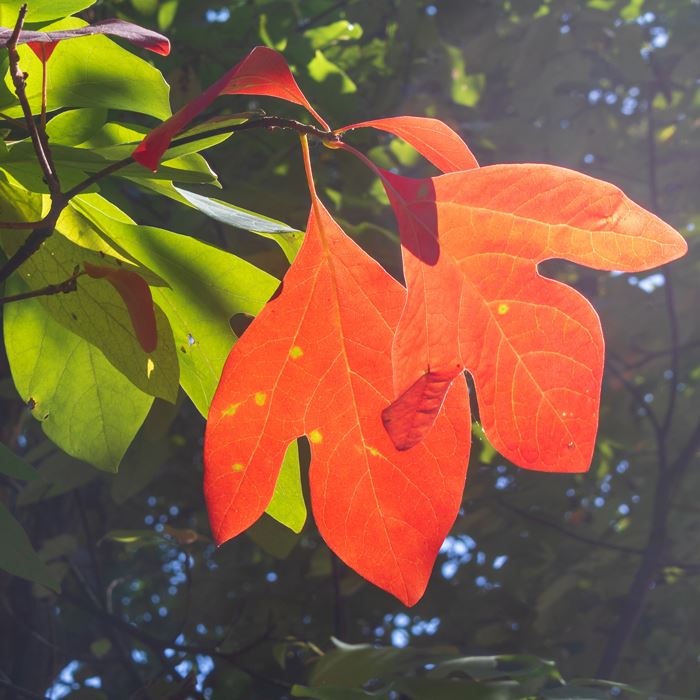


The sassafras tree (Sassafras albidum) is a native North American tree found throughout much of the eastern United States. It’s best known for its distinctive leaf shapes, which can vary even on the same branch.
You’ll commonly see:
- Oval leaves
- Mitten-shaped leaves
- Three-lobed leaves
That alone makes it one of the most visually interesting trees you can grow.
Incredible Fall Color (Better Than Most Trees)
If you're planting for fall color, sassafras deserves a spot at the top of your list.
Its foliage turns:
- Bright orange
- Deep red
- Golden yellow
And often all at once.
Unlike many trees that change unevenly or fade quickly, sassafras tends to put on a consistent, vibrant display year after year.
A Native Tree That Wildlife Actually Uses


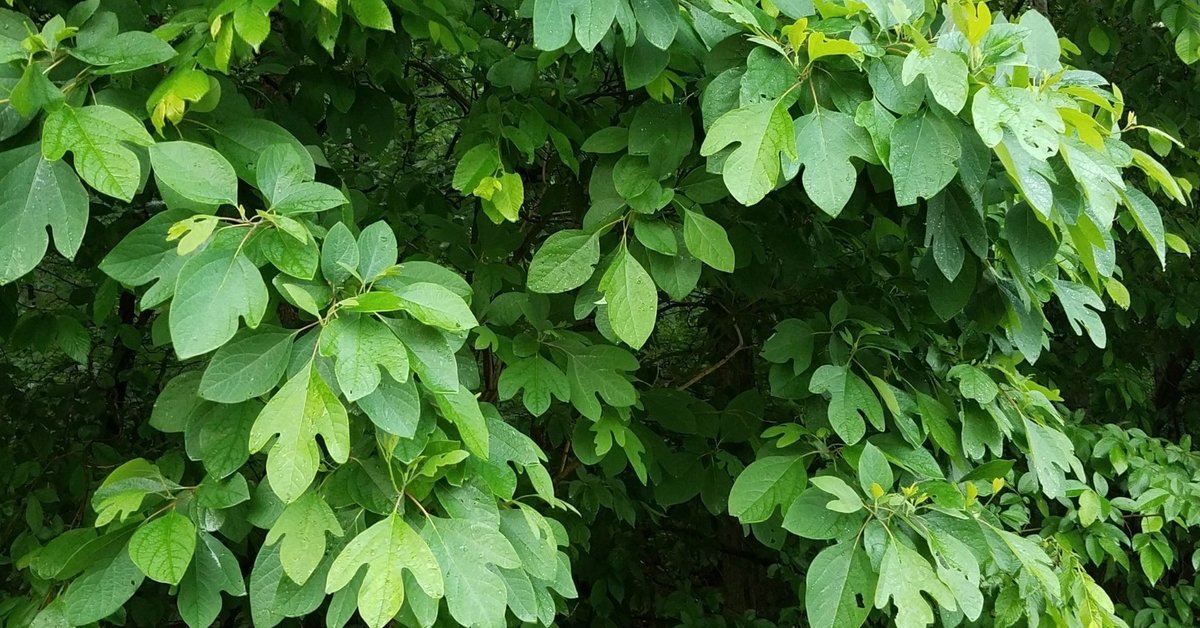
Sassafras isn’t just pretty—it’s useful.
- Birds eat the small dark berries
- Its growth habit creates natural cover
- It fits perfectly into native habitat plantings
If you're trying to build a wildlife-friendly property, this is a tree worth planting.
How Easy Is Sassafras to Grow?
One of the biggest advantages of sassafras is how adaptable it is.
It grows well in:
- Full sun or partial shade
- A range of soil types (as long as they drain)
- Rural or naturalized settings
Once established, it’s relatively low-maintenance.
A quick note:
Sassafras develops a deep taproot early, which is why you’ll have better success planting younger trees rather than large, mature ones.
Where Sassafras Fits in Your Landscape
Sassafras isn’t your typical “perfectly shaped” ornamental tree—and that’s a good thing.
It works best in:
- Naturalized areas
- Property edges
- Wildlife plantings
- Woodland transitions
It can spread into small colonies over time, giving it a more natural, native look instead of a formal landscape feel.
🛒 Where to Buy Sassafras Trees
If you’re planning to add sassafras to your property, it’s important to start with healthy, nursery-grown plants.
👉 You can find sassafras trees for sale here:
https://nativeplants.us/collections/trees/products/sassafras-tree
Look for:
- Young trees or seedlings
- Plants grown in similar climates
- Nurseries that specialize in native species
Why More People Should Be Planting Sassafras
Sassafras checks a lot of boxes:
- Native
- Unique appearance
- Strong fall color
- Wildlife value
- Easy to grow
Yet somehow, it’s still not planted nearly as often as it should be.
If you’re looking for something a little different—something that actually belongs in the landscape—sassafras is hard to beat.